The Ultimate Guide to Table Top Mini Vice in the UK
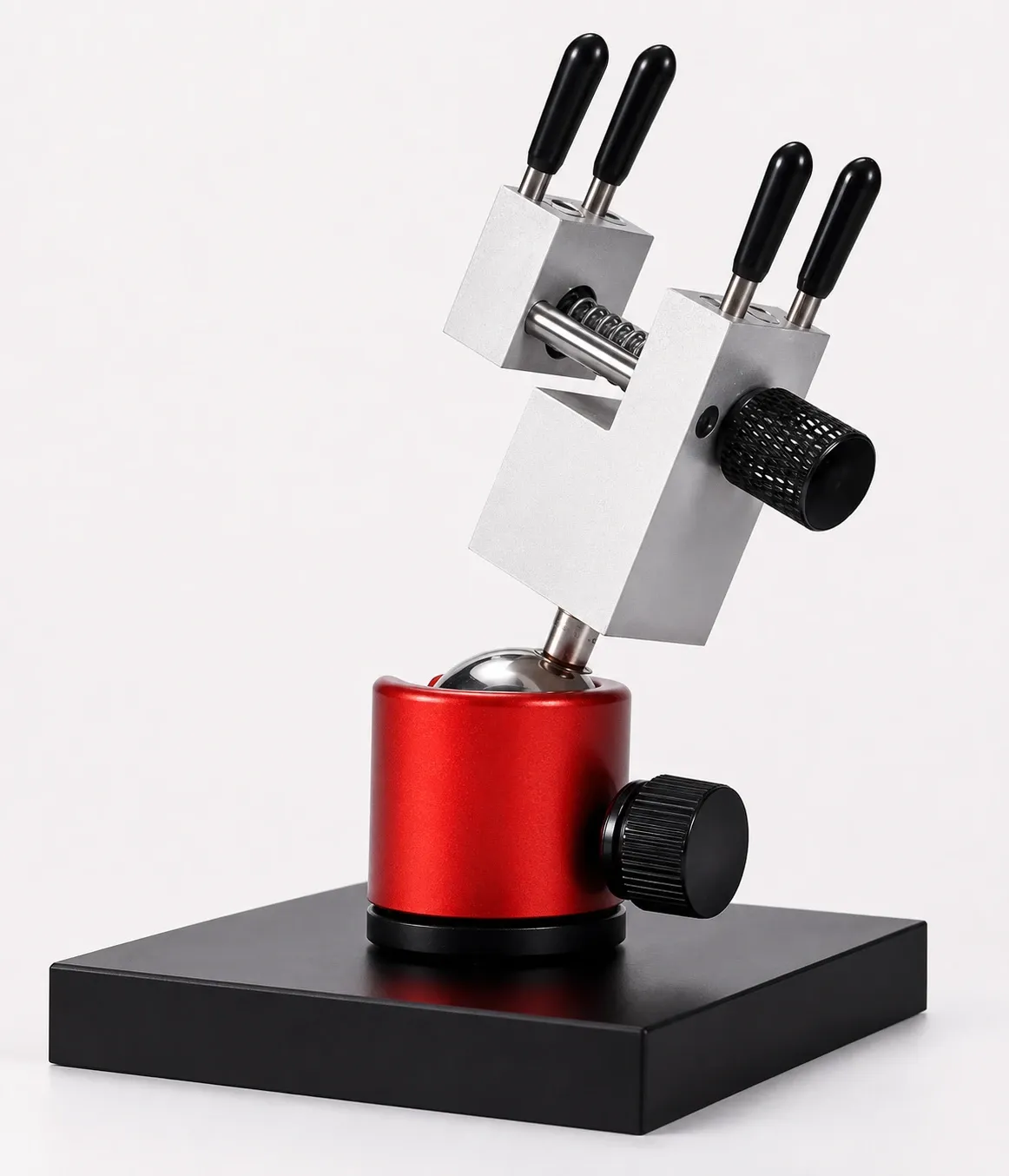
TL;DR: A table top mini vice is a compact, adjustable clamp that holds small parts securely for jewellery, electronics, modelling and other precision work. Based on our testing at Miniviseta, the best models combine stable mounting, smooth 360-degree articulation and damage-free jaw options for delicate UK workbenches.
Key Takeaways
- A high-quality table top mini vice gives you steadier control for delicate UK crafts, electronics and horology.
- 360-degree articulation helps you work from the best angle without repeatedly unclamping fragile parts.
- Pin-based jaw systems are ideal for irregular shapes because they spread pressure and reduce surface marks.
- According to UK HSE guidance, setting your vice at a comfortable height can help reduce neck and shoulder strain during detailed work.
If you are working with small, fragile or awkwardly shaped parts, a table top mini vice is one of the most useful tools you can buy. It grips components securely, keeps your hands free and gives you the stability needed for accurate soldering, filing, painting and assembly.
Unlike heavy workshop vices, a miniature vice is built for finesse rather than brute force. That makes it ideal for a home bench in London, a craft room in Leeds or a compact garage setup anywhere in the UK. Just as importantly, it helps you work more neatly and with less fatigue.
What is a table top mini vice used for?
A table top mini vice is used to hold small objects steady while you carry out precise tasks. In practice, that includes jewellery making, model painting, PCB soldering, watch repair, miniature assembly and other close-up work where even a small movement can spoil the result.
Based on our testing, the biggest advantage is control. Instead of holding a part in your fingers and fighting hand wobble, you can clamp it once and work more confidently. As a result, your finish tends to improve and your risk of slipping drops significantly.
Why choose a mini vice instead of a full-size vice?
A full-size vice is excellent for woodworking and engineering, but it is often too large and too aggressive for detail tasks. A mini vice is smaller, lighter and more adaptable, which makes it better suited to delicate materials such as thin metal, plastic, resin and circuit boards.
However, the best choice depends on the job. If you need high clamping force for heavy cutting or filing, a standard bench vice may be more appropriate. If you need precision, access and portability, a table top mini vice is usually the smarter option.
How does a table top mini vice work?
Most premium mini vices use a combination of adjustable jaws and a ball-and-socket or swivel mechanism. This lets you set the workpiece at a practical angle, then lock it in place so you can drill, solder, paint or file without constant repositioning.
What does 360-degree articulation do?
360-degree articulation means you can rotate the vice and tilt the jaws to suit the task. That matters because many detail jobs are not flat and simple. For example, when you are working on the underside of a miniature, the edge of a ring or the rear of a PCB, access is often more important than raw clamping force.
Instead of unclamping and re-clamping repeatedly, you adjust the vice until the piece is facing you correctly. This saves time, reduces handling and lowers the chance of scratching or dropping the item.
What are pin-clamping jaws?
Pin-clamping jaws use a grid of holes that accept removable pins. By placing the pins around the exact shape of your item, you create a custom cradle that spreads pressure evenly across the workpiece. This is especially useful for rings, curved components, resin models and irregular parts.
For a deeper look at securing tiny, fragile components, our small parts clamp vise explained: a UK buyer's guide covers pin configurations in more detail.
Which mini vice base is best for a desk?
The best base depends on how and where you work. If your bench is permanent and you want maximum stability, a clamp-on or weighted base is usually better. If you need portability or you work on a smooth kitchen table, a suction base may be the more practical choice.
Suction base vs clamp-on base
Suction bases are useful on non-porous surfaces such as glass, laminate and polished stone. They are quick to fit and easy to remove, which makes them handy for light craft work. However, they are not usually the best option for heavier filing or any task that creates sideways force.
Clamp-on bases use a G-clamp style fitting to grip the edge of a table or bench. They are generally more secure than suction bases and better for soldering, filing and moderate pressure. To protect UK desks and worktops, look for rubberised pads and a clamp that opens wide enough for your bench edge.
Are weighted bases worth it?
Weighted bases sit directly on the bench and rely on mass plus anti-slip feet to stay put. They are a sensible choice if you want the vice to be easy to move, especially in shared or compact spaces. That said, they may not match the hold of a well-fitted clamp when you need maximum stability.
What material is best for a mini vice?
Most quality table top mini vices use aluminium, steel or a mix of both. Aluminium is lighter and easier to move, while steel adds rigidity and extra weight. In damp UK garages or garden rooms, corrosion resistance also matters, so a well-finished tool is worth paying for.
Can you use a mini vice for jewellery, modelling and electronics?
Yes. In fact, those are some of the best uses for a table top mini vice. Its small footprint and precise grip make it useful across a wide range of hobby and professional tasks.
Is a mini vice good for jewellery making?
Absolutely. Jewellery work often involves rings, settings, clasps and fine wire, all of which need a secure but gentle hold. A mini vice with nylon pins or soft jaw inserts can help you engrave, polish, set stones or reshape components without marking the surface.
If precious metalwork is your main focus, our UK buyer's guide to jewellery making vices will help you choose the right jaw accessories and mounting style.
Is a table top mini vice useful for scale modelling?
Yes, especially for painting, drilling and trimming small parts. A mini vice can hold miniatures, kits and scenic pieces while leaving both hands free for fine detail work. That steadiness is particularly helpful when you are painting small figures or applying tiny decals.
For broader model-making advice, see our hobby bench vise explained: a UK buyer's guide.
Can you use a mini vice for soldering and PCB work?
Yes, but only if the vice is designed for delicate components. A standard vice can crack a board or crush surface-mount parts. By contrast, a pin-clamping mini vice can hold the edges of a PCB securely while you solder from a comfortable angle.
According to UK workshop safety principles, keeping the work stable and positioned at a sensible height can improve both accuracy and comfort. That is one reason a mini vice is so useful for electronics repair benches.
How do I choose the best table top mini vice?
Start by matching the vice to the work you do most often. Then, check the jaw design, base style, build quality and range of movement. In other words, choose the tool that makes your most common tasks easier rather than the one with the biggest numbers on the box.
What jaw features should I look for?
For delicate work, look for removable pins, soft jaw inserts or a jaw profile that can be adapted to curved shapes. Flat metal jaws are fine for some jobs, but they are less versatile when you need to hold irregular items without damage.
How important is stability?
Very important. If the vice moves while you are filing, soldering or painting, your accuracy suffers. That is why the mounting method matters just as much as the jaws. A secure clamp or a properly weighted base is often the difference between a useful vice and a frustrating one.
Does portability matter?
If you work in a shared space or put your tools away after each session, portability matters a lot. A lighter vice is easier to store, but do not sacrifice stability just to save a little space. For most UK users, the best balance is a compact vice with a dependable clamp and adjustable head.
How should you set up a mini vice on a workbench?
Place the vice where your hands can reach it comfortably without you leaning forward too far. According to UK HSE ergonomics guidance, a neutral posture helps reduce strain during prolonged detailed work, so it is worth taking a few minutes to set the height and angle correctly.
Also, keep the vice clear of clutter. A tidy bench makes it easier to see small parts, move tools safely and avoid knocking the vice or the workpiece while you are concentrating.
What should you avoid?
Avoid overtightening fragile parts, using the wrong jaw type for the material and relying on suction on an unsuitable surface. Likewise, do not work with the vice set too low or too far away, because that usually leads to poor posture and more mistakes.
Frequently Asked Questions About Table Top Mini Vices
What is a table top mini vice used for?
It is used to hold small parts steady during precision tasks such as jewellery making, electronics repair, modelling, engraving, painting and fine assembly.
Is a mini vice good for fragile parts?
Yes, provided you choose one with suitable jaw inserts or pin-clamping features. Those systems help distribute pressure and reduce the risk of marks or crushing.
Can you use a mini vice for soldering?
Yes, and it is often very helpful. A mini vice can hold a PCB or small component at the right angle, which makes soldering cleaner and more controlled.
Which mini vice base is best for UK home workshops?
For most home workshops, a clamp-on base is the most versatile choice because it offers strong hold on a desk or bench. If you need mobility, a weighted or suction base may suit lighter tasks better.
Are mini vices worth it?
If you regularly work with small or delicate items, yes. A good table top mini vice saves time, improves accuracy and makes detailed work much more comfortable.
Ready to upgrade your workbench with Miniviseta?
Explore Collection — £40.98